Common Design Mistakes in Sheet Metal Parts and How to Avoid Them
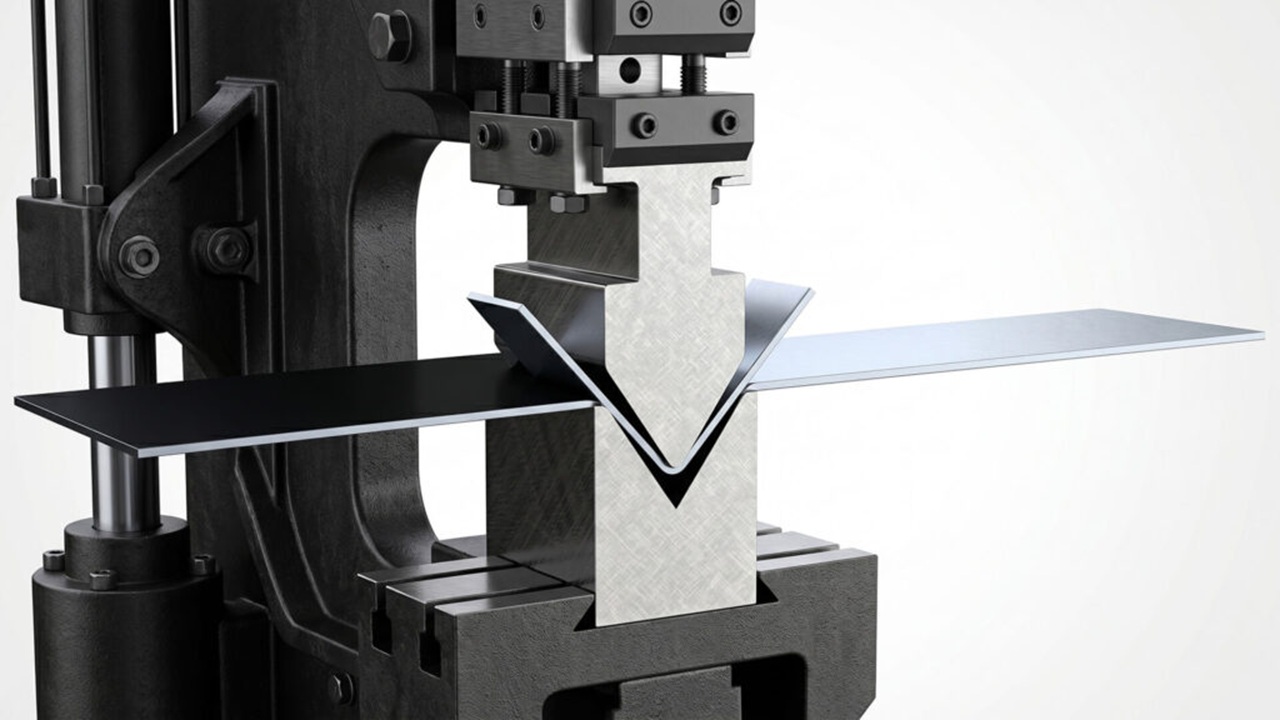
Designing sheet metal parts seems easy on the computer, but production has challenges. Well-fitting CAD parts can still break when bent, cut, or used. Typically, these misfits result from initial design forces that do not account for the metal’s behavior under load. Usually, these mismatches occur because early design decisions were made without accounting for the behavior of metals under stress. Often, problems are identified during production, even when they are not found in the drawing, typically due to the initial drawing method ShincoFab uses. Knowing these areas early in the process helps minimize wasted materials and repeated adjustments.
Incorrect bend allowance
A common error is failing to see how much metal will stretch when bent. Sometimes designers assume the flat length will remain the same, resulting in parts that come out too short or too long. This will cause alignment problems during assembly. It is better to consider the bending response of various metals. In reality, team members working with ShincoFab frequently make changes to their drawings after the initial test bends to fit the actual dimensions, particularly when changing materials, such as from aluminum to steel.
Tight tolerance settings
Another concern is that the tolerance set is too high. It's easy to design a product that's precisely sized on paper, but it can be hard to reproduce. Machines and materials always have small variations. When limits are unrealistic, rejection rates increase without improving final quality. A balanced approach is to define which dimensions truly need tight control and which can allow small variation.
Ignoring material movement
Metals differ in their response to shaping; some rebound, others deform easily. Designers sometimes treat all materials equally, causing unexpected shape changes. This creates fitting problems later. Understanding how each metal behaves under pressure helps avoid these issues. Production teams at ShincoFab often flag these differences during early checks to prevent misalignment in final parts.
Sharp internal corners
Sharp inside corners in designs can create stress points in metal parts. These areas are harder to shape and may crack later. Using small curves instead of sharp corners helps the material bend more easily. This improves durability too. Ignoring this can cause parts to fail over time, even if they passed initial tests.
Poor hole positioning
Holes placed too close to bends or edges can distort during forming. This can cause bolts or fasteners to misalign during assembly. The issue becomes worse in thinner sheets. A safer layout keeps holes at a stable distance from bend lines. In production work linked to ShincoFab, drawings are sometimes adjusted before cutting begins to avoid distortion during forming.
Weak assembly planning
Some designs focus only on individual parts without considering how they fit together. This leads to gaps, overlap, or parts that cannot be assembled without force. A better approach is to plan the full assembly before finalizing part shapes. This reduces rework and helps ensure that each component aligns properly in the final structure.
Overcomplicated shapes
Complex shapes with unnecessary bends or features increase production difficulty. They also increase the chance of error during cutting and forming. Simplifying geometry does not reduce function but often improves consistency. Removing unnecessary features makes parts easier to produce and reduces the chance of misalignment during assembly.
Surface treatment ignored early
Surface finish is often considered late in the design process, but it can affect dimensions. Coatings and treatments may slightly change thickness or edge quality. If not accounted for early, parts may no longer fit after finishing. In some projects handled through ShincoFab, finishing requirements are reviewed before production starts to avoid mismatches between coated and uncoated parts.
Choosing the wrong production method
Designs sometimes assume a single production method without checking its limits. For example, a part designed for laser cutting may not be suitable for stamping or bending without changes. Matching design choices to actual production steps avoids delays and corrections. This alignment also helps reduce trial runs and improves repeatability across batches.
Late design changes
One of the most disruptive problems is a design change once production has commenced. Any changes will impact tooling, set-up, and scheduling, no matter how small. This frequently results in delays and extra expenses. The more stable approach is to complete drawings after preliminary drawing checks and not tweak them during production runs.
Conclusion
The majority of problems in sheet metal parts originate from decisions made during the initial design phase, not from manufacturing errors. Common problems such as bend miscalculations, tight limits, or poor layout decisions are prone to recur from project to project if not addressed at the design level. These issues can be minimized with meticulous planning of geometry, material behavior, and assembly sequence. In reality, the more teams like ShincoFab can inspect designs before production and preemptively correct them before parts are cut, formed, and assembled, the better results they will receive.