How Meal Delivery Companies and Grocery Services Source Cooler Bags From Manufacturers
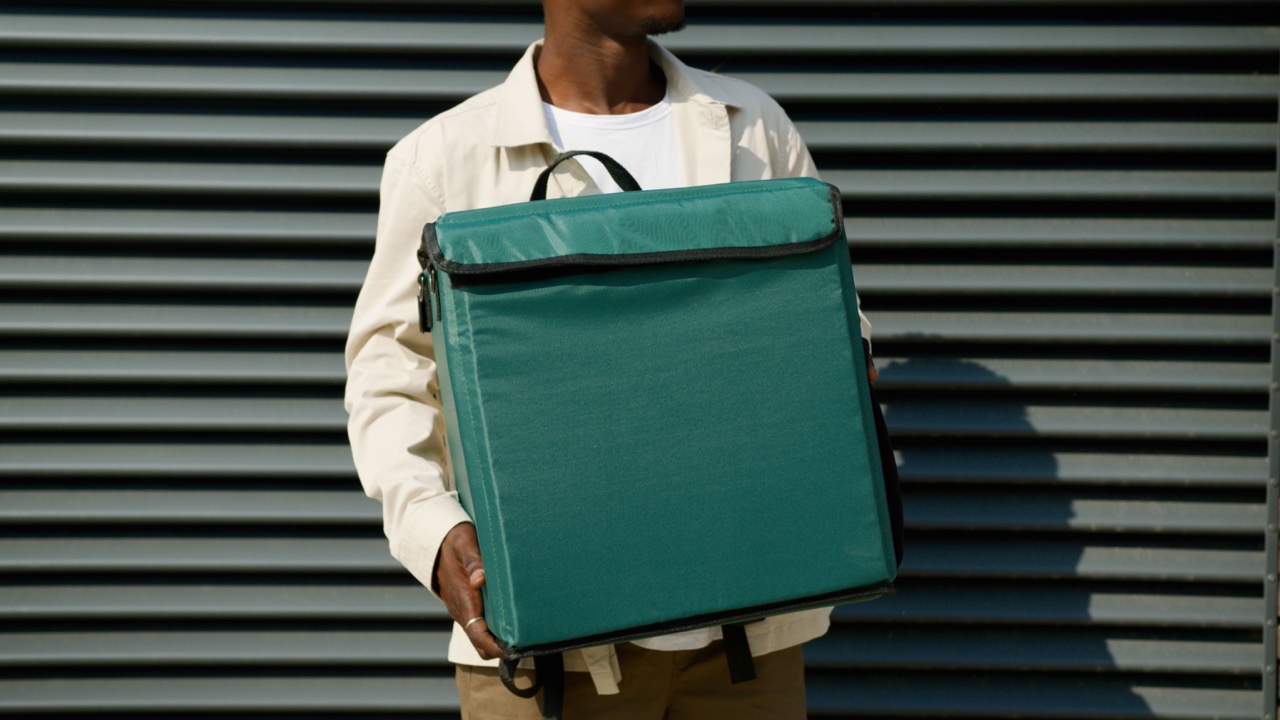
The insulated bag sitting in a food delivery rider’s hands isn’t something that showed up in an Amazon order. Behind that bag is a sourcing decision made by a logistics or operations team that had to balance cost per unit, minimum order quantities, thermal performance requirements, branding needs, and a timeline that probably wasn’t generous. I’ve worked through enough of these procurement processes to know that they’re more complicated than they look from the outside — and that the gap between a bag that performs well in the field and one that fails after three months of daily use comes down to decisions made at the sourcing stage, not after.
Why Food Delivery Operations Source Direct From Manufacturers
Small operations starting out often buy insulated bags from wholesale platforms or general distributors. This works at low volumes but becomes impractical as operations scale for a few reasons. Platform pricing at volume is rarely competitive with direct factory pricing. Customization options — logo printing, color specification, internal pocket configuration — are limited or expensive through middlemen. And when there’s a quality issue with a specific batch, having a direct manufacturer relationship is the difference between resolving it with the factory and being stuck with a platform dispute process.
A cooler bag manufacturer relationship also gives you access to product development input. Delivery operations have specific requirements that off-the-shelf bags may not fully meet — particular internal dimensions to fit standardized container sizes, specific closure mechanisms, attachment points for bike mounting systems, materials that hold up to the washing cycles typical in commercial delivery operations. These specifications require a manufacturer conversation, not a catalog selection.
Thermal Performance Specifications for Delivery Applications
The thermal requirement for a food delivery bag is different from a consumer cooler bag used for picnics. A delivery bag needs to maintain food at a safe serving temperature — above 60°C for hot food, below 5°C for cold — across the time between restaurant pickup and customer delivery. In a dense urban market, that might be 15-20 minutes. In suburban or rural markets with longer delivery windows, the requirement extends to 45-60 minutes or more.
The variables that determine thermal performance in an insulated bag:
Insulation material and thickness: EPE foam (expanded polyethylene), PEVA-backed foil, and aluminum foil laminates are the common insulation materials in delivery bags. Thicker insulation layers retain temperature longer but add bulk and weight. For delivery applications, a minimum of 6mm insulation thickness is worth specifying; premium delivery bags use 10mm or more in the main body panels.
Closure design: a bag that closes completely with minimal air gaps at the opening retains temperature better than one with a loose or partial closure. Magnetic closures, full-length zippers, and flap-over designs with velcro perimeter seals each have different performance profiles. For hot food particularly, a closure that keeps warm air inside rather than convecting it out matters.
Bag volume relative to food load: a partially filled bag has more air space to heat or cool, which reduces retention time. Delivery bags that are appropriately sized for the order volumes they’ll carry perform better than oversized bags used with small loads.
When requesting specifications from manufacturers, ask for actual temperature retention test data: what internal temperature does the bag maintain starting from a specified hot or cold temperature, at what ambient temperature, over what time period. Manufacturers who test their products can provide this data. Those who rely on material descriptions alone are giving you less useful information.
Durability Requirements for Commercial Use
A consumer cooler bag might be used 20-30 times per year. A delivery bag in active daily use gets opened and closed 20-30 times per day. Over a year of operation, that’s roughly 10,000 closure cycles — a number that reveals the weakness in any component not designed for commercial use frequency.
The parts that fail first under commercial use conditions:
Zippers: consumer-grade zippers fail at the slider, the pull tab, or the teeth within months of daily commercial use. Specify YKK or equivalent commercial-grade zippers in your procurement requirements. The cost difference is small; the service life difference is substantial.
Seam construction: heat-welded or reinforced seam construction holds up better than stitched seams in bags that are frequently overloaded or used in wet conditions. For delivery bags that will be used in rain or washed regularly, seam integrity matters.
Exterior fabric: 600D polyester is a common spec for delivery bags and handles commercial use well. Thinner fabrics save cost at the factory but wear through faster at contact points — the bottom of the bag, the handles, and any areas that regularly contact bike racks or vehicle surfaces.
Handle attachment: the handles are the highest stress point on a delivery bag. They carry full load weight repeatedly and are the most common failure point. Handles attached through the full bag body with reinforced stitching or welded attachment points last significantly longer than those sewn only through the outer fabric layer.
Branding and Customization Options
Delivery bags are visible marketing for the companies that use them — they’re in public on bikes and sidewalks constantly. Most operations want at least a logo and brand colors, and some want more detailed visual treatments.
The standard customization options from manufacturers:
Screen printing: cost-effective for simple logos and text on flat panel areas. Print quality is adequate but not suitable for photographic or detailed graphic treatments. Minimum order quantities for screen printing are typically lower than for embroidery.
Embroidery: higher-quality appearance for logos, more durable than screen printing in wash environments. Adds cost per unit and requires artwork that translates well to the medium — fine lines and complex color gradients don’t work.
Custom fabric color: specifying base fabric color in your brand palette requires minimum order quantities that justify a dye lot — typically 200-500 units depending on the factory. For smaller operations, choosing from a manufacturer’s standard color palette avoids this threshold.
Full custom design: for operations with specific structural requirements beyond standard bag configurations, custom tooling and production runs are possible but require meaningful minimum commitments — typically 500+ units and longer lead times for mold production and sample approval.
Lead Times and Order Planning
The sourcing timelines for delivery bag procurement surprise operations teams who are used to e-commerce delivery speeds. From initial supplier contact to first production delivery, a realistic timeline for a customized order with a new manufacturer is 60-90 days: sample development and approval (2-4 weeks), production lead time (3-4 weeks for standard configurations), and shipping (2-3 weeks by sea freight from Asia).
Operations planning to launch a delivery program or rebrand existing equipment need to account for this timeline in their project schedule. Expediting options exist but add meaningful cost — air freight from factory locations roughly triples the per-unit logistics cost.
For ongoing supply, a rolling purchase order arrangement with a manufacturer — committing to quarterly or semi-annual volumes in exchange for production scheduling priority and fixed pricing — typically provides better reliability than ad-hoc orders when inventory runs low.