The PEVA Cooler Bag That Failed at the Seams and What I Learned to Ask Instead
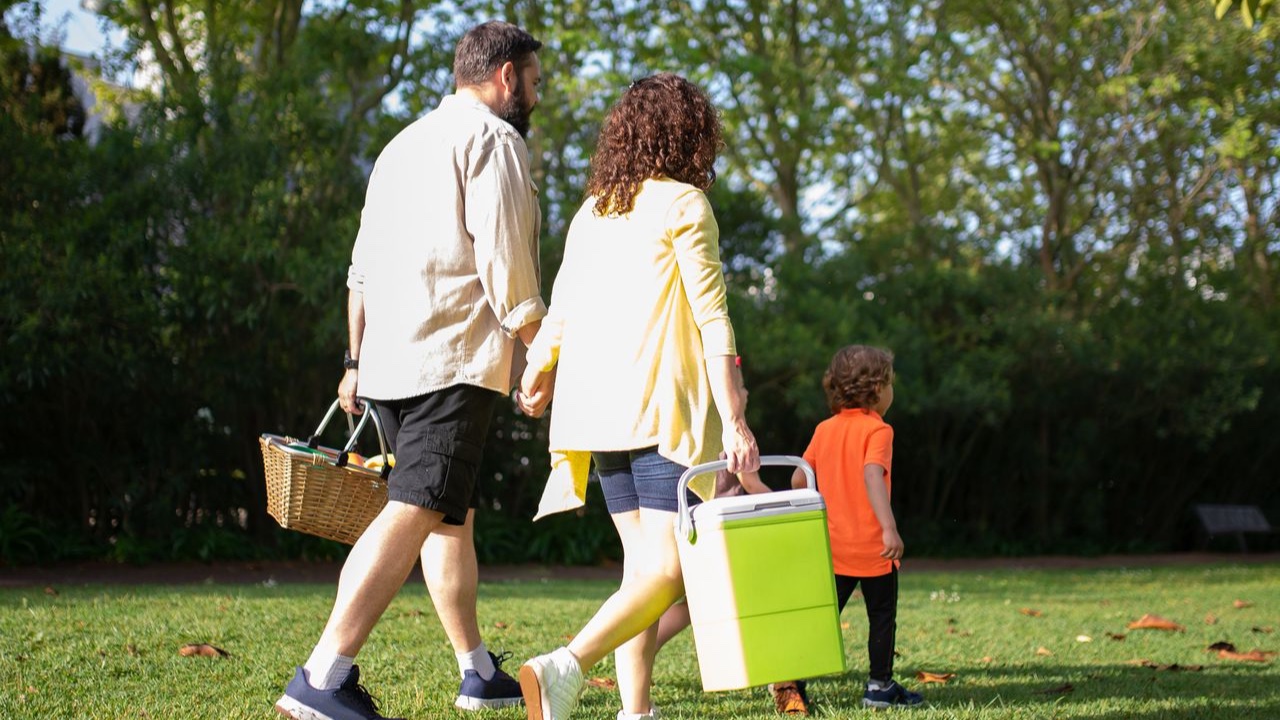
The complaint came in about six weeks after the product launched. Not from one customer — from several, independently, in the same week. The interior lining was separating. Not dramatically, not in a way that made the bag visually fall apart, but enough that condensation was working through to the exterior fabric and leaving damp patches on the bottom of the bag after a few hours with ice inside.
The bags had passed the factory’s QC. The spec sheet said “insulated lining with PEVA interior.” Nothing in that description was inaccurate. What the description didn’t tell me was that the PEVA had been glued rather than heat-sealed at the seam junctions, that the adhesive used wasn’t formulated for repeated thermal cycling, and that the zipper track attachment was stitched in a way that left a gap at the corner of the main compartment. Cold interior, warm exterior, condensation forming at the seam — and the glue slowly losing its bond over a few weeks of use.
That order cost more to manage after delivery than it would have cost to spec TPU from the start.
What PEVA Actually Is and Where Its Limits Are
PEVA — polyethylene vinyl acetate — has been the dominant interior lining material for soft cooler bags and insulated totes for years. It’s food-safe, reasonably flexible, inexpensive, and provides an adequate moisture barrier when the material itself is intact. For bags that are mostly carrying dry food and passive ice packs, a well-assembled PEVA interior does the job.
The problem is in assembly. PEVA can’t be heat-welded to itself — it doesn’t have the thermal bonding properties that would let a factory create a continuous sealed joint at the seams. This means PEVA-lined bags are assembled using adhesive at seam junctions, stitching at attachment points, or some combination of both. Every one of those methods introduces potential failure points that the material alone wouldn’t have.
Adhesive bonds delaminate. Not immediately — usually after months of use, once the bag has been through enough temperature cycling to stress the joint. Stitching creates needle holes in the lining material. Neither failure is dramatic at first. The bag still works, mostly. It just doesn’t stay dry the way the end customer expected when they bought something described as a cooler.
The factories that produce good PEVA-lined bags spend real time on seam construction — applying adhesive carefully at high-stress corners, using compatible adhesive formulations, choosing zipper tracks that seat cleanly against the lining. The factories that don’t are relying on the material’s inherent properties to compensate for assembly shortcuts. The material can’t do that, and the bags that result perform below what the spec sheet implies.
What Changes With TPU
TPU — thermoplastic polyurethane — solves the fundamental assembly problem that PEVA can’t. The property that matters is heat sealability: TPU can be bonded to itself and to compatible substrates using heat and pressure, creating a continuous welded joint rather than an adhesive or stitched joint.
When a bag’s interior lining is TPU and the seams are properly heat-welded, there are no needle holes, no adhesive bond lines that can delaminate, no mechanical penetrations in the lining surface. The seam is structurally continuous. A zipper bonded to TPU lining, welded rather than stitched, sits flush against the material and creates a seal around the closure rather than just adjacent to it.
The difference in real use is significant for products where moisture control actually matters. A TPU-lined cooler bag that’s been through a year of weekly use — ice, condensation, washing, repeated temperature cycling — looks different from a PEVA-lined bag that’s been through the same year. The TPU bag’s seams are intact. The PEVA bag’s are usually showing wear at the corners.
TPU is also more durable in mechanical terms. It handles puncture better, maintains flexibility across a wider temperature range, and holds up to regular washing without the surface degradation that PEVA shows after many wash cycles. For a product positioned as a long-term purchase — outdoor use, corporate gifting, a bag someone expects to keep for a few years — the durability difference is meaningful enough to affect the perceived value of the product.
The trade-off is cost. TPU material costs more than PEVA, and heat-welding requires specific equipment and process discipline that not every factory has. When I’m evaluating a cooler bag manufacturer for a TPU-lined product, I ask specifically whether seam welding is done in-house or outsourced, and I request to see the interior construction on a production sample — not just the showroom piece. Correct TPU welding shows clean, continuous weld lines at every seam junction. Factories that are cutting corners apply TPU to the main panels and stitch or glue at the corners and zipper attachment, which reduces most of the benefit to near zero.
When PEVA Is Actually the Right Call
Not every soft cooler application needs TPU, and specifying it where it isn’t necessary adds cost without adding value.
For bags that carry dry food — sandwiches, fruit, snacks — where the primary job is thermal insulation rather than liquid containment, a well-assembled PEVA bag is adequate. The lining doesn’t need to be waterproof if the contents aren’t generating moisture. The same applies to bags used in low-frequency scenarios: a bag that’s used occasionally and stored between uses doesn’t go through the thermal cycling that stresses adhesive joints.
The situations where TPU earns its cost premium are: bags marketed as leakproof or waterproof as a selling point, products used with ice or liquid contents regularly, bags going into commercial or frequent-use contexts, and any product where the end customer’s expectation of moisture containment is high enough that failure would generate returns or complaints.
The honest version of that list covers a lot of the cooler bag market. Soft coolers, insulated totes marketed for outdoor use, beach cooler bags, lunch bags with liquid containers — most of the categories where a customer specifically chooses an insulated bag are categories where moisture control matters.
The Sample Test Worth Running Before Any Order
For any cooler bag order where moisture performance matters, I run one test on production samples before committing to the order: fill the interior with water to about 60% capacity, close the zipper fully, and hold the bag at a 45-degree angle for fifteen minutes. Then check the zipper track, the seam junctions, the corner construction, and the zipper slider attachment point.
Any dampness at those locations is a construction problem, regardless of what the spec sheet says about the lining material. A well-assembled TPU-lined bag fails this test only if the zipper installation or the weld quality is compromised — which is useful information to have before production rather than after the order arrives.
The factories that build the bag correctly will invite this test. The ones that know their seam construction won’t hold up to fifteen minutes of water pressure tend to redirect to material certifications instead of samples with water in them.
Getting that distinction sorted before the purchase order goes out is cheaper than the customer service conversation on the other side of a failed “waterproof” claim.